


Djerba, an island off the southeastern coast of Tunisia, is a haven of Mediterranean tranquility, rich history, and diverse culture. For those contemplating things to do in Djerba, wandering through the whitewashed streets of Houmt Souk, the island’s main town filled with bustling markets and historic forts, and visiting the ancient El Ghriba Synagogue, one of the oldest synagogues in the world, are top recommendations.
The island’s beaches, such as Ras Rmel and Sidi Mahres, offer pristine sands and azure waters, making them perfect spots for relaxation and water activities. Nearby, Djerba Explore Park provides a glimpse into the island’s traditions, with a Lalla Hadria Museum showcasing Islamic art and a crocodile farm that’s a hit with families.
Beyond its beaches and cultural sites, Djerba is known for its festivals, particularly the Ulysses Festival, which celebrates the island’s mythical connection to Homer’s epic. For those seeking the best places to visit in Tunisia, Djerba’s blend of history, beachfront beauty, and cultural richness makes it a captivating destination.
Attractions & Things to Do in Djerba, Tunisia
1. El Ghriba Synagogue
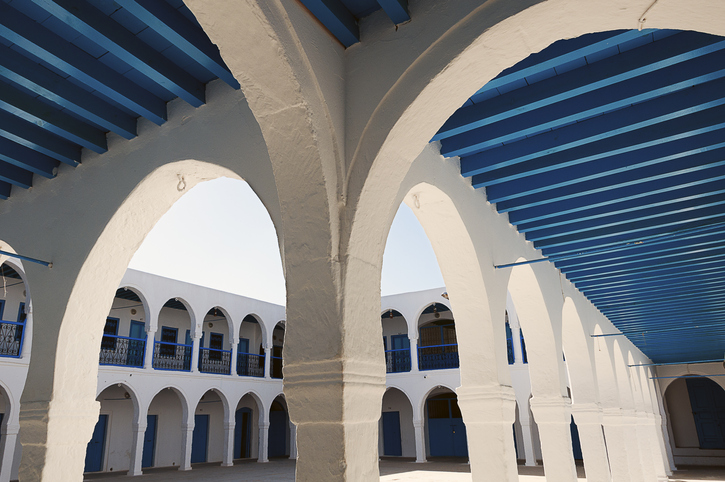
El Ghriba Synagogue is one of the oldest synagogues in Africa and is a significant pilgrimage site for Jews from around the world. The synagogue is located in the village of Hara Seghira and has beautiful architecture and a rich history that dates back over 1,900 years.
Location: Located in the village of Hara Seghira, about 7 km southwest of Houmt Souk. Reachable by car or taxi.
Scenic Spot: Features stunning architecture, colorful mosaics, and a peaceful spiritual ambiance.
Best Time to Visit: Morning for a quieter and more reflective experience.
Suitable for All Ages: Suitable for all; children should be supervised to respect the sanctity of the site.
Price: Free to visit, but donations are appreciated.
Travel tip: Dress modestly and respectfully, as it is a place of worship.
2. Djerba Explore Park
Djerba Explore Park is a major tourist attraction that consists of three parts: the Lalla Hadria Museum, a crocodile farm, and a traditional Djerbian heritage museum. It offers a unique opportunity to learn about the history and culture of Djerba, as well as the chance to see crocodiles up close.
Location: Situated in Midoun, accessible by car or taxi, with parking available.
Scenic Spot: Highlights include the crocodile farm, the Lalla Hadria Museum of Islamic art, and a traditional heritage museum.
Best Time to Visit: Visit in the morning to enjoy the crocodile feeding spectacle.
Suitable for All Ages: Perfect for families, especially children who enjoy interactive attractions like the crocodile farm.
Price: Approximately $8-$10 per person.
Travel tip: Don’t miss the feeding times for the crocodiles, it’s quite the spectacle!
3. Houmt Souk
Houmt Souk is the capital of Djerba and is a bustling market town where you can find a wide variety of goods, from spices to traditional handicrafts. The town is full of narrow winding streets, white-washed buildings, and has a lively atmosphere.
Location: Central town of Djerba, accessible by public transport, taxi, or car.
Scenic Spot: Narrow winding streets, vibrant markets, and whitewashed buildings with colorful doors.
Best Time to Visit: Early morning or late afternoon to avoid peak heat and crowds.
Suitable for All Ages: Suitable for all; great for families exploring the lively market atmosphere.
Price: Free to visit, but costs depend on your purchases at the market.
Travel tip: Practice your haggling skills before going to the market and always negotiate the prices.
4. Guellala
Guellala is a village in Djerba known for its pottery and ceramics. The village is home to many workshops and studios where you can see artisans at work and buy handmade pottery, ceramics, and other crafts.
Location: Located in the southern part of Djerba, accessible by car or taxi.
Scenic Spot: Picturesque pottery workshops and panoramic views of the island from the hilltops.
Best Time to Visit: Afternoon to enjoy the workshops and the sunset views.
Suitable for All Ages: Suitable for all; pottery workshops are engaging for kids and adults alike.
Price: Free to explore, but pottery classes or souvenirs may cost extra (€5-€20).
Travel tip: Consider taking a pottery class and make your own souvenir.
5. Djerba Beaches

Djerba is famous for its beautiful beaches, which offer white sand, clear blue water, and a relaxed atmosphere. The most popular beaches include Sidi Mahrez and Ras Rmel.
Location: Spread across the island; Sidi Mahrez Beach and Ras Rmel are the most popular. Accessible by car, taxi, or resort shuttles.
Scenic Spot: Crystal-clear waters, white sands, and palm-lined shores.
Best Time to Visit: Spring or autumn for fewer crowds and milder weather.
Suitable for All Ages: Perfect for all, with calm waters suitable for children and elderly visitors.
Price: Free to access, but sunbed rentals or water sports may cost extra (€5-€20).
Travel tip: Visit during the off-peak season for a quieter experience and better deals on accommodations.
6. Borj El K’bir Fortress

The Borj El K’bir Fortress, also known as Borj Ghazi Mustapha, is a historical site located in Houmt Souk. It was built in the 15th century by Aruj Barbarossa to protect the island from invaders.
Location: Located near the harbor in Houmt Souk, easily accessible by car or foot from the town center.
Scenic Spot: Historic fortress with panoramic views of the harbor and town.
Best Time to Visit: Late afternoon to enjoy stunning sunset views.
Suitable for All Ages: Suitable for all, but steep stairs may be challenging for the elderly.
Price: Approximately €2-€5 for entrance.
Travel tip: Visit at sunset for stunning views over the harbor.
7. Djerbahood
Djerbahood is an open-air museum located in the village of Erriadh. Artists from all over the world have come to paint murals on the buildings, creating a colorful and vibrant atmosphere.
Location: In the village of Erriadh, accessible by car or taxi.
Scenic Spot: An open-air museum with vibrant street art from artists worldwide.
Best Time to Visit: Early morning or late afternoon for cooler weather and better light for photography.
Suitable for All Ages: Great for all ages, especially art enthusiasts and families looking for a fun, interactive experience.
Price: Free to explore.
Travel tip: Take a guided tour to learn about the stories behind the artworks.
8. Museum of Popular Arts and Traditions
The Museum of Popular Arts and Traditions is located in Houmt Souk and showcases a collection of traditional Djerbian costumes, jewelry, and artifacts. It provides insight into the island’s rich cultural heritage.
Location: Located in Houmt Souk, accessible by car, taxi, or on foot from the town center.
Scenic Spot: Displays of traditional costumes, jewelry, and artifacts in a historic setting.
Best Time to Visit: Mid-morning when it is less crowded.
Suitable for All Ages: Suitable for all; educational and cultural for children and adults.
Price: Approximately €2-€4 for entrance.
Travel tip: Check the opening hours before visiting, as they may vary.
9. Seguia Beach
Seguia Beach is a beautiful and quiet beach located in the southeast of Djerba. It is less crowded than other beaches on the island, making it the perfect spot for relaxation.
Location: Southeast of Djerba, accessible by car or taxi.
Scenic Spot: A quieter, pristine beach with clear waters and minimal crowds.
Best Time to Visit: Early morning for peace and serenity.
Suitable for All Ages: Ideal for families, with shallow waters and a tranquil atmosphere.
Price: Free to access; limited facilities might require you to bring your own food and supplies.
Travel tip: Bring your own food and drink, as there are limited facilities on this beach.
10. Meninx Archaeological Site
The Meninx Archaeological Site is located on the southern tip of Djerba and was once a thriving Roman city. The site includes the remains of temples, streets, and houses, and provides a glimpse into the island’s ancient past.
Location: Situated on the southern tip of Djerba, accessible by car or guided tours.
Scenic Spot: Ancient Roman ruins with temples, streets, and housing remnants.
Best Time to Visit: Morning to avoid the midday heat.
Suitable for All Ages: Suitable for older children and adults interested in history; not ideal for toddlers due to uneven terrain.
Price: Free to visit.
Travel tip: Wear comfortable shoes and bring water, as there is a lot of walking involved.
Plan Your Perfect Trip with Our Trusted Travel Partners
🚗 Find the Best Car Rental Deals with Rentalcars.com and GetRentacar.com
🏨 Discover the Best Accommodations with Booking.com
🌟 Discover Amazing Experiences with GetYourGuide.com and Tiqets.com
📶 Stay Connected with Airalo.com
Djerba, Tunisia: Ratings
Kid-Friendly Activities in Djerba: 8/10 – Djerba is very family-friendly, with numerous sandy beaches that are safe for children, such as Sidi Mahres Beach. The island offers attractions like Djerba Explore Park, which includes a crocodile farm, a museum, and traditional Djerbian houses. Many resorts provide family-oriented activities and amenities.
Nightlife in Djerba: 6/10 – Nightlife in Djerba is relatively relaxed, with a selection of beach bars, lounges, and hotel entertainment. While there are some lively spots, the nightlife scene is more subdued compared to other destinations. It’s ideal for those seeking a more laid-back evening atmosphere.
Sport in Djerba: 7/10 – Djerba offers a variety of sports activities, particularly water sports such as windsurfing, kite surfing, and sailing. The island also has facilities for golf, tennis, and horse riding. The flat landscape is great for cycling, and there are several scenic routes to explore.
Culture and Attractions in Djerba: 8/10 – Djerba is rich in cultural heritage, with attractions such as the El Ghriba Synagogue, one of the oldest synagogues in the world, the Djerbahood street art project in Erriadh, and the Houmt Souk market. The island’s blend of Berber, Arab, and Jewish cultures provides a unique cultural experience.
Gastronomy in Djerba: 7/10 – The gastronomic scene in Djerba features traditional Tunisian cuisine, with a focus on seafood, couscous, and local specialties like brik and ojja. The island offers a variety of restaurants, from casual eateries to more upscale dining options, catering to different tastes.
Shopping in Djerba: 6/10 – Shopping in Djerba includes local markets, artisan shops, and souvenir stores. Visitors can find traditional crafts, textiles, pottery, and jewelry. The shopping experience is enjoyable but more limited compared to larger Tunisian cities like Tunis or Sousse.
Prices in Djerba: 8/10 – Djerba is an affordable destination, offering good value for accommodation, dining, and activities. It is generally accessible for budget-conscious travelers, making it a cost-effective choice without sacrificing quality.
Average price for a hotel night: $80
Cost of a lunch at a local restaurant: $10
Price of a beer: $3
Price of a coffee: $1.50
Beyond the City: Exploring Surroundings and Stays in Djerba, Tunisia
For those looking to explore beyond Djerba’s tranquil shores, top day trips near Djerba open the door to discovering the island’s rich Jewish heritage in the Ghriba synagogue, the captivating landscapes of the Flamingo Island, and the ancient Roman ruins at Meninx. Each destination offers a unique glimpse into the diverse culture and history that shape this enchanting island.
When it comes to finding the perfect place to stay, Djerba accommodations offer a blend of traditional charm and modern luxury. From cozy guesthouses adorned with local art to opulent beachfront resorts offering world-class amenities, visitors are sure to find a comfortable base to immerse themselves in the island’s serene beauty and rich cultural tapestry.
FAQ About Things to Do in Djerba, Tunisia
What are the top attractions in Djerba?
Some of the top attractions in Djerba include the El Ghriba Synagogue, Djerba Explore Park, Houmt Souk, and the Djerba Traditional Heritage Museum.
Is the Djerba Beach worth a visit?
Absolutely! Djerba Beach is known for its pristine white sand and crystal-clear waters, making it a perfect destination for sunbathing, swimming, and various water sports.
Can I explore Djerbian traditional architecture?
Yes, the island is dotted with Menzels, traditional Djerbian homes, and fortified granaries known as ‘Ghorfas’. A visit to the island’s interior villages will give you a glimpse of this unique architecture.
Are there any local markets to shop in Djerba?
Yes, Houmt Souk is the main town in Djerba and it has a lively market where you can buy local handicrafts, spices, and traditional Tunisian products.
What water activities can I enjoy in Djerba?
Djerba offers a range of water activities such as kite surfing, jet skiing, and boat tours. There are also several diving centers for those interested in exploring the underwater world.
Can I experience the local culture in Djerba?
Definitely! Djerba is known for its rich cultural heritage. You can visit traditional pottery workshops, partake in local festivals, and enjoy traditional Tunisian music and dance.
Are there any historical sites in Djerba?
Yes, the El Ghriba Synagogue is one of the oldest synagogues in the world and a significant pilgrimage site. The island also has several ancient mosques and historical structures worth exploring.
When is the best time to visit Djerba?
The best time to visit Djerba is during the spring (March to May) and autumn (September to November) when the weather is pleasant. The island also hosts the Ulysses Festival, usually in July, which showcases local arts and culture.
Sources:
https://en.wikipedia.org/wiki/Djerba
https://www.getyourguide.com/djerba-l302
This post may contain affiliate links, which means we may receive a commission if you click a link and purchase something that we have recommended, at no extra cost to you.
